
Fleet Insurance in Las Vegas, NV: The Complete Guide for Nevada Trucking Companies
If you run more than one commercial truck in Southern Nevada, fleet insurance is the foundation your entire operation is built on. Whether your trucks are hauling freight up I-15 toward Salt Lake City, running local routes between Henderson and Summerlin, or delivering materials to job sites off the Las Vegas Beltway, a single gap in coverage can shut your business down overnight. This guide breaks down everything Las Vegas trucking companies need to know before buying a policy: what it should cover, what drives the price, and how to structure protection that actually holds up when a claim happens.
We’ll walk through the coverage types, the local risk factors specific to the Las Vegas Valley, the Nevada and federal filings tied to your policy, and the most common mistakes trucking companies make when shopping for coverage. By the end, you should have a clear picture of what a properly built program looks like for a fleet operating out of Clark County.
What Is Fleet Insurance?
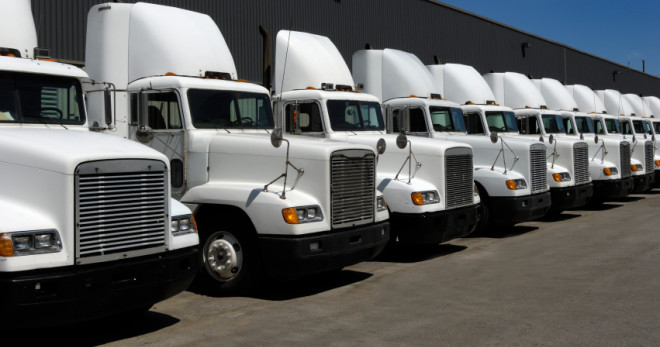
Fleet insurance is a single commercial policy that covers multiple vehicles — usually two or more trucks — under one program instead of insuring each unit separately. For a Las Vegas trucking company, that means box trucks, tractor-trailers, dump trucks, and cargo vans can all sit under one umbrella, with shared limits, consolidated billing, and centralized paperwork.
Think of it as the difference between juggling five separate auto policies and managing one coordinated program for your entire operation. A single renewal date, one point of contact for claims, and a unified certificate of insurance make day-to-day operations far simpler for a growing trucking business.
Why Location Changes the Coverage You Need
Risk is local, and that’s exactly why a generic, out-of-state quote often misses the mark for a Las Vegas trucking operation. A program built for a company running through Midwest winters looks nothing like one designed for a Southern Nevada fleet dealing with 115-degree summer asphalt, sudden monsoon flash floods along Boulder Highway and Flamingo Wash, and constant tourist-driven congestion around the Strip and Harry Reid International Airport.
Insurers price commercial trucking coverage based on regional loss data. Nevada’s combination of extreme desert heat, high-speed interstate corridors, and a dense urban core creates a risk profile that many national carriers underprice or overprice without local context. That’s part of why fleet insurance built specifically for Las Vegas operators tends to perform better over time than a one-size-fits-all national quote — the underwriting actually reflects the roads your trucks are driving.
Nevada-specific regulatory requirements also shape how a policy needs to be structured, including state DMV commercial registration rules, Nevada Public Utilities Commission filings for certain intrastate carriers, and federal DOT and FMCSA requirements like BOC-3 process agent designations and MCS-90 endorsements. A program that doesn’t account for these filings can leave you technically uninsured for operating purposes, even if the coverage itself looks solid on paper.
Who Needs Fleet Insurance in Las Vegas?
Coverage under a fleet program isn’t reserved for massive trucking corporations. In Nevada, most agencies recommend a consolidated multi-vehicle policy once a business owns or operates two or more commercial vehicles, including:
- Owner-operators who have expanded into two or three trucks
- Regional trucking companies running tractor-trailers between Las Vegas, Phoenix, and Los Angeles
- Local delivery and courier businesses using cargo vans and box trucks around Henderson, Spring Valley, and North Las Vegas
- Construction-related haulers operating dump trucks and flatbed trailers on Las Vegas Valley job sites
- Waste management companies running garbage trucks on dense city routes
- Towing companies with multiple wreckers covering the Las Vegas metro area
- Fuel haulers transporting petroleum products to gas stations, warehouses, and casinos across the valley
If your business fits any of these categories, consolidating your vehicles under fleet insurance simplifies risk management, streamlines renewals, and often reduces your per-unit premium compared to insuring each truck as a standalone policy.
What a Fleet Insurance Policy Actually Covers
A well-built program for a Las Vegas trucking operation typically bundles several coverage types into one package. Here’s what should be part of any serious commercial fleet program.
Commercial Auto Liability
This is the core of the policy. It covers bodily injury and property damage your trucks cause to others in an accident. Nevada requires minimum liability limits for commercial vehicles, but most fleet insurance programs in Las Vegas carry limits well above the state minimum because of the high-value freight and heavy interstate exposure common in this market.
Motor Carrier and Physical Damage Coverage
Your program should also protect the trucks themselves. Physical damage coverage — comprehensive and collision — replaces or repairs vehicles after an accident, theft, vandalism, or weather event. Given how quickly hailstorms and flash flooding can hit the Las Vegas Valley during monsoon season, this piece of the policy is non-negotiable.
Cargo Insurance
If your trucks move freight, the policy needs a cargo component. This protects the goods you’re hauling from damage, theft, or loss in transit — critical whether you’re running flatbed loads of steel down I-15 or refrigerated freight into the Strip’s hotel and casino supply chain.
General Liability and Non-Trucking Liability
Many programs also include general liability for non-driving exposures, like a delivery driver injuring someone while unloading, and non-trucking liability for when a driver uses the truck for personal reasons, off dispatch.
Workers’ Compensation
If your operation employs drivers rather than contracting with owner-operators, Nevada law requires workers’ compensation coverage. Bundling this alongside your fleet insurance keeps paperwork and renewal dates aligned on a single timeline instead of scattered across separate policies.
DOT and Federal Filings
A complete program also handles the compliance paperwork: BOC-3 process agent filings, MCS-90 endorsements, and any state-specific permits your Las Vegas operation needs to legally run across Nevada and interstate lines.
Specialty Coverage for Different Truck Types
Not every operation looks the same, and a policy shouldn’t be one-size-fits-all. Here’s how coverage typically shifts depending on what your fleet is hauling.
Box Truck Fleets: Local and regional delivery operations running 16’–26′ straight trucks around the Las Vegas Valley need a policy that includes primary liability, cargo coverage, and often hired and non-owned auto protection for drivers using personal vehicles for business errands.
Dump Truck Fleets: Construction-focused coverage for dump trucks needs to account for frequent loading and unloading on job sites, higher rollover risk, and exposure to jobsite injuries — meaning general liability and workers’ compensation are especially important additions.
Flatbed Fleets: Open-deck operations hauling steel, lumber, or heavy machinery need strong cargo protection and load-securement coverage, since flatbed freight is more exposed to shifting, weather, and roadside damage than enclosed trailers.
Fuel Hauler Fleets: Petroleum transport operations need high liability limits, environmental and pollution liability, and specialized cargo coverage for hazardous materials — an area where generic quotes often fall short.
Tow Truck Fleets: Towing operations need coverage that includes on-hook towing insurance and garagekeepers liability, protecting both your trucks and the customer vehicles in your care across busy Las Vegas roads and highways.
Tractor-Trailer Fleets: Long-haul and regional operations typically need higher liability limits, trailer interchange coverage, and non-trucking liability for owner-operators leased to a motor carrier.
Cargo Van Fleets: Delivery and courier operations running cargo vans across the valley need commercial auto liability, physical damage protection, and often rental reimbursement to keep routes running if a van is out of service.
Across every one of these truck types, the underlying multi-vehicle coverage structure stays consistent — one policy, shared limits, centralized documentation — even as the specific endorsements shift to match the risk.
What Drives the Cost of Coverage in Las Vegas?
Premiums for a multi-vehicle trucking program in Las Vegas are calculated using several key rating factors, and understanding them helps you control costs over time:
- Number and type of vehicles. More trucks generally means lower per-unit cost, since insurers spread risk across the group instead of underwriting each vehicle in isolation.
- Driver experience and safety record. CSA scores, motor vehicle records, and years of experience heavily influence pricing.
- Radius of operation. A Las Vegas operation running strictly local routes will typically see different pricing than one running long-haul lanes to California, Arizona, and Utah.
- Commodity hauled. Hazardous materials, high-value freight, and refrigerated cargo all raise the cost compared to general dry-van freight.
- Claims history. A clean loss run is one of the fastest ways to bring down your renewal premium year over year.
- Nevada-specific risk factors. Extreme summer heat that stresses tires and mechanical components, dense tourist-corridor traffic near the Strip, and monsoon-driven flash flooding all factor into how carriers price commercial trucking coverage in the Las Vegas market.
Because these variables shift constantly, working with an agency that shops your fleet insurance across multiple carriers — rather than settling for one insurer’s quote — is usually the difference between an overpriced policy and a competitive one.
How Nevada Regulations Shape Your Coverage Requirements
Nevada trucking companies operate under a layered set of requirements that any solid insurance program has to satisfy:
- Federal DOT/FMCSA minimums, which set baseline liability requirements for interstate carriers and dictate the filings, like Form MCS-90, that your policy must support.
- Nevada DMV commercial vehicle registration, which typically requires proof of active coverage before plates are issued or renewed.
- BOC-3 process agent designation, a filing that goes hand-in-hand with your policy to establish legal representation in every state you operate.
- Local Las Vegas and Clark County permitting for certain vehicle types, like dump trucks and waste haulers, which may require additional proof of coverage before a permit is granted.
Falling out of compliance on any of these points — even temporarily — can put your operating authority at risk, which is why your fleet insurance provider should actively track your filings rather than leaving it to you to remember renewal dates.
Common Mistakes Las Vegas Trucking Companies Make
After working with trucking companies across the Las Vegas Valley, a few recurring mistakes show up again and again when businesses shop for a policy.
Underinsuring cargo value. Policies are sometimes written with cargo limits that don’t reflect the actual value of what’s being hauled, leaving a gap if a high-value load is damaged or stolen.
Ignoring seasonal risk. Nevada’s summer heat and monsoon season both increase mechanical breakdowns and weather-related accidents, but many policies aren’t adjusted to reflect this seasonal exposure.
Treating coverage as “set and forget.” Fleets grow, shrink, and change routes constantly. A fleet insurance policy that was accurate a year ago may no longer reflect your current vehicle count, drivers, or operating radius.
Not shopping renewals. Sticking with the same carrier every year without re-shopping the market often means paying more than necessary, especially as your safety record improves.
Overlooking non-trucking liability. Operations with owner-operators leased to a motor carrier sometimes miss this coverage inside their policy, leaving a gap when trucks are used off-dispatch.
Underestimating driver turnover. A policy priced around last year’s roster may not reflect new hires, and outdated driver lists can slow down claims processing when it matters most.
How to Get an Accurate Quote in Las Vegas
Getting an accurate fleet insurance quote starts with having the right information ready:
- A current list of vehicles, including VINs, values, and vehicle types
- Driver information, including motor vehicle records and years of experience
- Your operating radius and typical routes (local Las Vegas Valley vs. interstate)
- Commodities hauled and average cargo value
- Your current or most recent loss runs
With this information, an experienced agency can shop your coverage across multiple carriers simultaneously, rather than presenting a single quote from one insurer. Because pricing varies so widely between carriers based on how they weigh Nevada-specific risk factors, comparing multiple quotes is one of the simplest ways to lower your premium without cutting protection.
Why Work With a Local Las Vegas Agency
A national call center selling coverage over the phone doesn’t know that summer road temperatures in Las Vegas can exceed 150 degrees and accelerate tire blowouts, or that flash flood warnings near Flamingo Wash can shut down routes with almost no notice. A local agency writing fleet insurance for Nevada trucking companies understands these regional risk factors and builds them into your coverage instead of applying a generic national template.
Working locally also means faster claims support and an advisor who’s available when something goes wrong at 2 a.m. on I-15, not just during business hours. At Las Vegas Commercial Truck Insurance, coverage is structured around the options your business actually needs — commercial auto liability, motor carrier insurance, cargo coverage, physical damage protection, and the DOT and federal filings that keep your authority active — all shopped across multiple carriers to find the best fit for your operation.
Local claims handling also matters more than most trucking companies realize until they need it. When an accident happens on the 215 during rush hour, or a dump truck rolls a load on a Henderson job site, having an agency that knows the terrain, the local body shops, and the regional adjusters can shorten the time between a claim being filed and a truck getting back on the road.
Building a Fleet Insurance Program That Grows With Your Business
Most Las Vegas trucking companies don’t start with ten trucks — they start with one or two and grow from there. A good insurance partner should be able to scale your program as you add vehicles, hire drivers, or expand into new lanes, without forcing you to rebuild your policy from scratch every time your operation changes.
This is where fleet insurance really earns its value over standalone policies. Adding a new truck to an existing program is typically a quick endorsement rather than a brand-new underwriting process, and your certificate of insurance can often be updated instantly to satisfy a new broker or shipper requirement. For a growing Las Vegas operation juggling contracts, permits, and DOT compliance, that flexibility saves real time.
The Las Vegas Roads Your Trucks Actually Run
Understanding the coverage on paper is one thing — understanding the roads your drivers face every day is another. Southern Nevada’s trucking routes present a mix of challenges that a policy needs to be built around, not just priced against.
Interstate 15 remains the primary north-south freight corridor through the valley, carrying everything from long-haul tractor-trailers to regional box trucks, often at high speed and heavy volume near the Spaghetti Bowl interchange downtown. The 215 Beltway loops around the metro area and has become one of the busiest routes for local delivery fleets moving between Summerlin, Henderson, and the airport district. Boulder Highway sees a heavy mix of commercial and passenger traffic, along with seasonal flash flood risk during monsoon season, while the industrial corridors near North Las Vegas and the speedway see steady dump truck and flatbed activity tied to ongoing construction projects.
Add in extreme summer temperatures that regularly climb past 110 degrees, tourist congestion around the Strip that peaks during major conventions and events, and a growing warehouse and logistics footprint near the airport, and it becomes clear why a policy built around national averages doesn’t hold up the same way in Clark County. Coverage that accounts for these local conditions tends to hold its value at renewal time, because it was priced against the actual risk your trucks face rather than a broad, generic average.
Frequently Asked Questions About Fleet Insurance in Las Vegas
How many trucks do I need before fleet insurance makes sense? Most agencies start recommending fleet insurance once a business operates two or more commercial vehicles. At that point, consolidating coverage under one program usually costs less per unit than insuring each truck separately, while also simplifying renewals and paperwork.
Does fleet insurance cover rented or borrowed trucks? It can, depending on how the policy is written. If your Las Vegas operation occasionally rents additional trucks during peak season, ask your agent to include hired auto coverage inside your fleet insurance program so those units aren’t left exposed.
Can I add a new truck to my policy right away? Yes. One of the biggest advantages of fleet insurance over standalone policies is that adding a vehicle is typically a fast endorsement rather than a full new application, which matters when a shipper or broker needs proof of coverage before your next load.
Will fleet insurance cover my drivers if they’re leased to another motor carrier? This depends on whether your policy includes non-trucking liability. Owner-operators leased to a carrier need this endorsement inside their fleet insurance to stay covered when the truck is used off-dispatch, so it’s worth confirming with your agent before signing on with a new carrier.
How often should I review my fleet insurance policy? At minimum, review your coverage every renewal cycle, and any time your vehicle count, driver roster, commodities, or operating radius changes significantly. A fleet insurance program built for five trucks a year ago may not fit a ten-truck operation today.
Final Thoughts on Fleet Insurance in Las Vegas
Fleet insurance is the backbone of any multi-vehicle trucking operation in Southern Nevada. From box trucks and dump trucks to tractor-trailers and fuel haulers, every vehicle type in your operation carries its own risk profile, and your coverage needs to reflect that — while also satisfying Nevada DMV, DOT, and FMCSA requirements. Getting this right isn’t just about compliance; it’s about protecting the equipment, freight, drivers, and revenue that keep your business running.
If your current policy hasn’t been reviewed recently, or if you’re building a fleet from the ground up in Las Vegas, now is the time to get a fresh set of eyes on your coverage. A properly structured fleet insurance program can mean the difference between a minor claim and a business-ending event.
Ready to review your coverage options? Contact Las Vegas Commercial Truck Insurance at (775) 288-6564 or request an online quote to get your Nevada fleet properly protected today.
