
Cargo Van Insurance in Las Vegas, NV: The Complete 2026 Guide for Owner-Operators and Small Fleets
If you drive a cargo van for deliveries, courier runs, or contractor work anywhere between Summerlin and Henderson, you already know that Las Vegas traffic does not slow down just because you are hauling someone else’s freight. Between the stop-and-go crawl on I-15 near the Strip, the sun-baked pavement on US-95 through Spring Valley, and the constant construction detours around the 215 Beltway, a cargo van in this city takes a beating. That is exactly why cargo van insurance exists, and why getting the right policy matters more here than almost anywhere else in Nevada.
This guide walks through everything a Las Vegas cargo van operator needs to know about this coverage: what it covers, what it costs, why Nevada’s rules make it non-negotiable, and how local business owners can shop smarter instead of overpaying. Whether you are a solo delivery driver working for a last-mile courier app, a contractor hauling tools and materials across the valley, or a small fleet owner running five or six vans out of North Las Vegas, this article is written specifically for you.
What Is Cargo Van Insurance, Exactly?
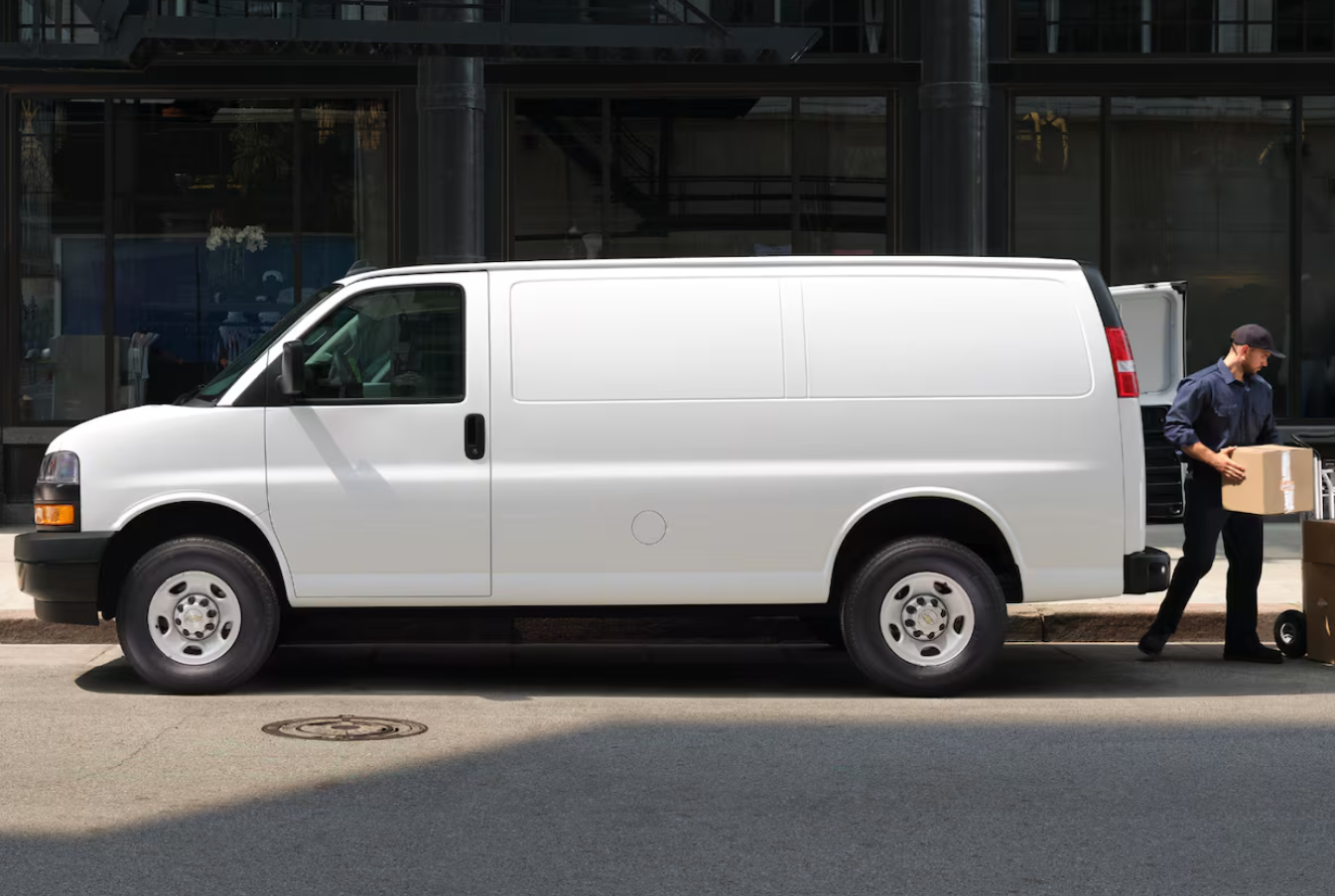
Cargo van insurance is a specialized form of commercial auto coverage built for vehicles used to transport goods, equipment, or freight rather than passengers. It is different from a personal auto policy in almost every meaningful way. A personal policy assumes you are driving to work, running errands, or taking a road trip. Cargo van insurance assumes your van is a business asset that spends hours on the road every single day, often loaded with valuable cargo, and often driven by more than one person.
A typical cargo van insurance policy in Las Vegas includes several building blocks:
- Commercial auto liability – covers bodily injury and property damage you cause to others in an at-fault accident.
- Physical damage coverage (comprehensive and collision) – repairs or replaces your van after a collision, theft, vandalism, or weather event.
- Motor truck cargo coverage – protects the goods inside the van if they are damaged, stolen, or destroyed in transit.
- General liability – covers incidents that happen outside the vehicle itself, such as a customer tripping while you unload a delivery.
- Hired and non-owned auto coverage – extends protection to vans you rent or that employees drive on your behalf.
- Rental reimbursement – helps keep your business moving if your van is in the shop after a covered loss.
Every one of these pieces matters, but the mix you actually need depends on how you use your van, what you carry, and whether you operate under your own authority or as a contractor for a larger company.
Why Cargo Van Insurance in Las Vegas Is Different
Las Vegas is not a typical American city, and that changes the math on commercial coverage in ways that surprise a lot of new operators. A few local factors push exposure — and premiums — higher than in a quieter market:
Extreme heat. Summer pavement temperatures on the Strip and across the valley routinely climb past 150 degrees. That kind of heat accelerates tire wear, stresses cooling systems, and raises the odds of a mechanical breakdown that turns into a roadside accident. Cargo van insurance with strong physical damage coverage helps absorb the cost of heat-related failures that a personal policy would never touch.
Tourist-driven traffic congestion. More than 40 million visitors pass through the Las Vegas Valley in a typical year, and a huge share of them are driving unfamiliar rental cars on unfamiliar roads. Distracted, lost, or simply overwhelmed tourist drivers are a real risk factor for any commercial vehicle working the Strip corridor, Fremont Street, or the routes feeding Harry Reid International Airport. Cargo van insurance with robust liability limits is your buffer against the cost of someone else’s mistake.
Rapid residential growth. Henderson, Summerlin, North Las Vegas, and the master-planned communities out toward Mountain’s Edge and Skye Canyon have expanded quickly over the last decade. More rooftops mean more delivery stops, more residential streets, more school zones, and more opportunities for a fender bender during a routine drop-off. A properly built cargo van insurance policy accounts for that density.
A booming logistics and last-mile delivery economy. Las Vegas has become a major hub for warehousing and last-mile delivery thanks to its highway access and proximity to Southern California and Arizona markets. That growth is great for cargo van owner-operators looking for work, but it also means more vans on the road competing for the same loading zones and delivery windows — and more claims activity for insurers to factor into how these policies are priced.
Nevada’s minimum liability requirements. Nevada law requires commercial vehicles to carry liability limits that are often higher than personal auto minimums, and if you haul under a federal DOT number, the FMCSA sets its own minimum financial responsibility levels depending on cargo type and vehicle weight. Cargo van insurance is structured from the ground up to meet those thresholds; a personal auto policy simply is not built for it and may be voided entirely if the insurer discovers commercial use.
Who Actually Needs Cargo Van Insurance in Las Vegas?
If you use a van for business purposes in the Las Vegas Valley, you almost certainly need this type of coverage rather than a personal policy. That includes:
- Independent delivery drivers contracting with courier platforms, parcel carriers, or regional distribution companies
- Contractors and tradespeople hauling tools, materials, or equipment between job sites in Henderson, Summerlin, Spring Valley, and North Las Vegas
- Small business owners who use a van to transport product, inventory, or samples to trade shows on the Strip or convention business at the Las Vegas Convention Center
- Cleaning services, catering companies, and mobile repair businesses that move supplies from location to location
- Owner-operators running under their own DOT authority who need cargo van insurance that satisfies federal filing requirements
- Fleet owners managing several vans out of a single Las Vegas address who need one policy structured across every vehicle
If your van ever carries someone else’s property, tools you use to earn income, or products you are delivering for pay, a personal auto policy is the wrong tool for the job. Cargo van insurance is the correct, and often legally required, alternative.
What Cargo Van Insurance Typically Costs in Nevada
Every quote is different, but Las Vegas cargo van insurance premiums are shaped by a consistent set of variables:
- Driving record – a clean MVR keeps rates down; prior accidents or violations push premiums up quickly.
- Cargo value and type – hauling electronics or pharmaceuticals costs more to insure than hauling paper products or empty totes.
- Radius of operation – a van that stays within the Las Vegas Valley is priced differently than one running long-haul routes to Phoenix, Los Angeles, or Salt Lake City.
- Years in business – newer operators typically pay more for coverage until they build a claims-free track record.
- Vehicle age and value – a newer Ford Transit or Mercedes Sprinter costs more to physically insure than an older, higher-mileage van.
- Coverage limits and deductibles – higher liability limits and lower deductibles raise the premium; adjusting either lever changes what you pay.
- Number of vehicles on the policy – fleet coverage often comes with per-unit pricing that improves as the fleet grows.
Rather than guessing, the smartest move is to get a real quote based on your actual operation, your actual van, and your actual routes around the Las Vegas Valley.
Common Coverage Mistakes Las Vegas Van Operators Make
After years of writing cargo van insurance for owner-operators across Nevada, a handful of mistakes show up again and again:
Using a personal auto policy for business use. This is the single most expensive mistake a delivery driver can make. If an insurer discovers commercial use after a claim, the claim can be denied outright, leaving the driver personally responsible for damages, medical bills, and legal costs. Cargo van insurance exists precisely so that never happens.
Skipping cargo coverage to save a few dollars a month. Liability-only policies feel cheaper until a van full of electronics, tools, or product is stolen from a Strip parking garage or a Henderson job site. Motor truck cargo coverage inside the policy is what actually protects the freight, not just the vehicle.
Underinsuring liability limits. Nevada’s cost of living and legal environment mean injury and property damage claims can add up fast, especially in dense tourist corridors. Skimping on liability limits to shave a small amount off the premium can expose a small business to catastrophic out-of-pocket costs.
Forgetting hired and non-owned auto coverage. Many Las Vegas businesses occasionally rent an extra van during peak season, or let a second employee drive their own vehicle for a delivery run. Without this add-on, a standard policy may not extend to those situations at all.
Not updating the policy as the business grows. A solo operator who adds a second or third van, hires a first employee, or starts hauling higher-value freight needs to revisit their cargo van insurance to make sure coverage keeps pace with the business.
How Cargo Van Insurance Works With DOT Authority and Filings
Many Las Vegas cargo van operators eventually apply for their own DOT number so they can contract directly with shippers instead of working through an intermediary. Once that happens, federal filing requirements come into play, including BOC-3 process agent filings and, for certain cargo types, MCS-90 endorsements. Cargo van insurance for an owner-operator running under authority needs to be structured to satisfy those federal financial responsibility rules, not just Nevada’s state minimums. An agent who understands both the state and federal side of the equation can make sure a policy checks every box before it ever gets audited.
Choosing the Right Cargo Van Insurance Provider in Las Vegas
Not every insurance agency understands the specific risks facing a Las Vegas cargo van operator. When comparing options, look for a provider that can show you:
- Access to multiple carriers, so your policy is shopped across several companies rather than sold from a single captive book of business
- Real industry expertise in commercial trucking and delivery vehicle risk, not just personal auto lines
- Fast, responsive claims support, because a van sitting idle after an accident is a van that is not earning money
- The ability to issue an instant Certificate of Insurance, since many Las Vegas contracts, warehouses, and shippers require proof of coverage before you can even pick up a load
- A physical, local presence in Southern Nevada, so someone familiar with Las Vegas Valley traffic patterns, construction zones, and local regulations is actually handling your account
A knowledgeable agency will also walk through your specific routes — whether that is short residential hops through Summerlin, industrial runs out toward the Apex Industrial Park in North Las Vegas, or daily loops through the resort corridor — and tailor the policy accordingly instead of selling a one-size-fits-all package.
The Las Vegas Valley: Routes, Neighborhoods, and Risk Zones to Know
Every ZIP code in the Las Vegas Valley presents a slightly different risk profile, and a good agent should be able to speak to yours specifically.
The Resort Corridor and Downtown. Vans working the Strip, the Arts District, and Fremont Street deal with dense pedestrian traffic, rideshare pickups, valet lanes, and constant lane changes from out-of-town drivers. Parking is tight, loading zones are contested, and double-parking to make a delivery is often unavoidable, which raises the odds of a minor collision.
Summerlin and the western valley. This master-planned community stretches from Charleston Boulevard out toward Red Rock Canyon, with winding residential streets, roundabouts, and a growing number of gated communities that require a resident code or callbox access. Deliveries here tend to involve more stops per hour but lower speeds.
Henderson and the southeast valley. Green Valley, Anthem, and the Union Village medical district generate steady commercial and residential delivery volume, with heavier traffic along Eastern Avenue, Boulder Highway, and the I-215 Beltway during commute hours.
North Las Vegas and the Apex Industrial Park. This is the industrial backbone of the valley, home to distribution centers, manufacturing plants, and a growing logistics footprint near Interstate 15 and the 215. Vans running between warehouses here often log longer highway stretches and more frequent loading dock maneuvers.
Spring Valley and Enterprise. Dense apartment complexes, big-box retail, and a large share of the valley’s newer residential construction make this corridor one of the busiest for last-mile delivery drivers, particularly along Sunset Road, Rainbow Boulevard, and Durango Drive.
Boulder City and the outer valley. Some Las Vegas-based operators also cover routes stretching toward Boulder City, Lake Mead, and the Arizona border, which introduces higher speeds on US-93 and different weather exposure near the lake.
Understanding which of these zones your van actually spends time in helps an agent price your policy accurately and recommend the right limits instead of applying a flat, valley-wide assumption.
Frequently Asked Questions About Cargo Van Insurance in Las Vegas
Does Nevada require cargo van insurance by law? Nevada requires commercial vehicles used for business purposes to carry commercial liability coverage that meets or exceeds state minimums. If you operate under a federal DOT number, the FMCSA layers on its own financial responsibility requirements depending on what you haul and how much your vehicle weighs.
Can I just add my van to my personal auto policy? Generally, no. Personal auto insurers exclude business use, and many will deny a claim outright if they discover the vehicle was being used commercially at the time of a loss. A commercial policy built for delivery and courier work is the appropriate coverage instead.
How fast can I get a Certificate of Insurance? Many Las Vegas shippers, warehouses, and property managers require proof of coverage before a driver can even enter the lot. Working with an agency that offers instant, online certificate access can save a delivery driver hours of downtime waiting on paperwork.
Does coverage change if I haul for multiple delivery platforms? Yes. Some platforms provide limited contingent coverage while a driver is actively engaged on an app, but gaps often exist before and after a delivery, or when a driver is logged into more than one platform at once. A dedicated commercial policy closes those gaps.
What happens if I add a second van to my business? Most agencies can simply add the new vehicle to your existing policy, often at a discounted per-unit rate compared to writing a brand-new standalone policy. This is also a good time to revisit your liability limits and cargo coverage as your operation grows.
Will my rates go down over time? Many carriers reward a clean driving record and a claims-free history with improved renewal pricing. Staying with one agency that actively re-shops your policy across carriers at renewal, rather than letting it auto-renew, tends to produce the best long-term pricing.
Getting a Cargo Van Insurance Quote in Las Vegas
Getting a quote does not have to be complicated. A good agency will typically ask for:
- Your business information and how long you have been operating
- The year, make, model, and value of each van
- A description of what you haul and your typical delivery radius
- Driver information, including licenses and driving history for anyone behind the wheel
- Your current or desired liability and cargo coverage limits
From there, an experienced agent shops your policy across multiple carriers and comes back with options rather than a single take-it-or-leave-it price. That comparison shopping is often the difference between an overpriced cargo van insurance policy and one that actually fits a Las Vegas operation’s budget and risk profile.
Final Thoughts on Cargo Van Insurance in Las Vegas
Running a cargo van in the Las Vegas Valley means dealing with triple-digit heat, unpredictable tourist traffic, sprawling new residential development, and a genuinely competitive last-mile delivery market — all at the same time. Cargo van insurance is not just a box to check for compliance; it is the financial backbone that lets a delivery driver, contractor, or small fleet owner keep working after an accident, a theft, or a cargo loss instead of absorbing those costs out of pocket.
Whether you are just starting out with a single van and a handful of local delivery contracts, or you are managing a growing fleet based out of North Las Vegas, Henderson, or the industrial corridors near the airport, the right policy should be built around how you actually operate — not a generic template pulled off a national insurer’s shelf. Working with a local agency that understands both Nevada’s regulatory environment and the day-to-day realities of driving a van across the Las Vegas Valley is the surest way to get cargo van insurance that actually protects your business when it matters most.
Every trucking or delivery business is a little bit different, and the best way to find out exactly what your van needs is to talk to someone who already knows the Las Vegas Valley. A short conversation about your routes, your cargo, your drivers, and your growth plans is usually all it takes to put together a policy that actually fits, rather than a generic package built for a completely different market.
If you are ready to compare real cargo van insurance options for your Las Vegas operation, reach out to Las Vegas Commercial Truck Insurance at (775) 288-6564 or request an online quote. Our team works with multiple carriers, understands the local roads and risks, and can often issue an instant Certificate of Insurance so you can get back on the road without missing a delivery. From Summerlin to Henderson, North Las Vegas to the resort corridor, we help owner-operators, contractors, and growing fleets stay protected, stay compliant, and stay focused on the work that keeps their business moving forward across Southern Nevada.
