
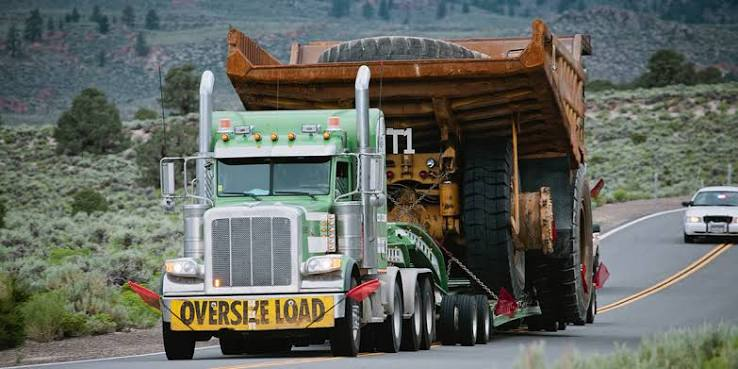
Oversized and Overweight Insurance in Las Vegas, Nevada: The Complete Guide for Trucking Companies
If you haul superloads down I-15, run wide-load construction equipment across the Spaghetti Bowl, or move heavy machinery in and out of the Las Vegas Valley, you already know that standard trucking coverage won’t cut it. You need oversized and overweight insurance, and if you’re operating anywhere near Las Vegas, Henderson, North Las Vegas, or the rest of Clark County, you need a policy that’s built around Nevada’s permit system, its desert highway network, and the unique liability exposure that comes with hauling loads that stretch beyond legal limits.
This guide walks through everything a Las Vegas trucking company or owner-operator should know before purchasing this specialized coverage — from what a well-built policy actually includes to how much it costs, what Nevada requires, and where local carriers can go to get it done right the first time.
What Is Oversized and Overweight Insurance?
Oversized and overweight insurance is a specialized form of commercial trucking coverage designed for loads that exceed the standard legal limits for width, height, length, or weight on public roads. In Nevada, any load wider than 8 feet 6 inches, taller than 14 feet, longer than the standard combination limits, or heavier than 80,000 pounds gross vehicle weight generally requires a special permit — and that permit almost always comes with insurance requirements attached.
This coverage is what satisfies those requirements while also protecting your business from the much higher risk profile that comes with moving superloads through Las Vegas traffic, mountain passes, and narrow desert two-lanes. Unlike a standard commercial auto policy, a properly built policy accounts for escort vehicle coordination, pilot car liability, load securement failures, bridge and overpass strikes, and the increased chance of a serious accident when a truck is carrying a wind turbine blade, modular home, oilfield equipment, or heavy construction machinery.
Because the stakes are higher, this type of policy typically comes with higher liability limits, specialized cargo protection, and endorsements that a normal trucking policy simply doesn’t include. It’s less about checking a box for a permit office and more about making sure a single incident on the highway doesn’t put your entire operation at risk.
Why Las Vegas Trucking Companies Need This Coverage
Las Vegas sits at the crossroads of I-15, I-11, US-95, and US-93, making it one of the busiest corridors in the Southwest for heavy haul and wide load freight moving between California, Arizona, Utah, and the rest of Nevada. Every day, trucks pulling oversized loads roll through the Valley heading to the Strip’s endless construction projects, the industrial parks in North Las Vegas, the solar and renewable energy build-outs across the desert, and the mining operations scattered throughout the state.
If your trucks are part of that traffic, oversized and overweight insurance isn’t optional — it’s the coverage that keeps your authority active and your business protected. Nevada’s Department of Motor Vehicles and the Nevada Department of Transportation both require proof of adequate liability coverage before issuing an oversize or overweight permit. Without it, you simply cannot legally move a superload on Nevada highways. That means every flatbed hauling steel beams to a Henderson job site, every lowboy trailer moving excavators near Lake Mead, and every specialized carrier delivering prefabricated units to a Summerlin development needs a policy that meets Nevada’s specific permit and bonding requirements.
Beyond the legal requirement, Las Vegas presents unique operating conditions that make this coverage especially important. Summer heat above 110 degrees puts extra strain on tires, brakes, and mechanical systems on long, heavy loads. Desert wind gusts across open stretches of US-95 can push a tall load off balance. Construction zones on the 215 Beltway and I-15 through downtown create tight clearance situations where a single miscalculation can mean a bridge strike or a collision with a barrier. Every one of these scenarios is exactly why the right policy exists — to make sure one bad day on the road doesn’t become the end of your business.
What Does a Full Policy Actually Cover?
A well-structured oversized and overweight insurance policy for a Las Vegas trucking operation typically includes several layers of protection, each addressing a different piece of the risk that comes with moving superloads.
Commercial Auto Liability is the foundation of the policy. It covers bodily injury and property damage if your rig is involved in an accident while hauling an oversize or overweight load. Because the potential damages from a superload accident are so much higher than a standard freight accident, liability limits here are almost always higher than a typical trucking policy — often $1 million or more, with many Las Vegas carriers requiring $2 million or higher depending on the load type.
Cargo Insurance needs to account for freight that’s often extremely high-value, from heavy construction equipment to prefabricated housing units to industrial machinery bound for warehouses across the Valley. Cargo limits should be scaled to match the actual replacement value of what you’re hauling, not a generic cap designed for palletized freight.
Physical Damage Coverage — comprehensive and collision — protects your tractor, trailer, and specialized hauling equipment (lowboys, extendable trailers, multi-axle configurations) from damage in an accident, rollover, or other covered event. This piece matters because specialized trailers used for wide and heavy loads can cost far more to repair or replace than standard equipment.
Pilot Car and Escort Vehicle Liability matters because Nevada frequently requires escort vehicles for oversize loads, particularly on routes through the Las Vegas metro area. Your policy should extend to the liability exposure created by coordinating with pilot cars, whether they’re subcontracted or run in-house.
General Liability protects your business from third-party claims unrelated to the truck itself, such as injuries or property damage that occur during loading, unloading, or staging a load at a Las Vegas job site.
Bridge and Structure Damage coverage addresses one of the biggest risks of moving oversize freight — striking an overpass, signage, or utility structure. Standard trucking coverage often excludes this entirely, so it needs to be specifically requested.
Non-Trucking Liability and Trailer Interchange round things out for owner-operators leased onto a motor carrier, covering the truck when it’s being used off-dispatch and protecting specialized equipment that isn’t titled in your name.
Nevada Permits, Regulations, and How Insurance Fits In
Before a load can legally move through Las Vegas or anywhere else in Nevada, the carrier typically needs an oversize/overweight permit issued through the Nevada DOT permit system. These permits set specific route restrictions, travel time windows (many oversize moves through the Las Vegas Valley are restricted to daylight hours or off-peak times to avoid Strip-area congestion), and escort requirements based on the width, height, and length of the load.
Every one of these permits requires proof of coverage meeting state minimums, and this is where oversized and overweight insurance becomes a compliance issue as much as a risk management one. Carriers who try to run superloads on a standard commercial auto policy risk permit denial, fines, and — in the event of an accident — a coverage dispute that could leave the business fully exposed. Working with an agency that understands both Nevada’s permitting requirements and how to structure a compliant policy saves time at the permit counter and protects the business if something goes wrong on the road.
Clark County and the City of Las Vegas also have local ordinances affecting oversize moves near the Strip, downtown, and in areas with lower bridge clearances, which is another reason this coverage should be written by an agency familiar with the local roads rather than a generic national template.
What Determines the Cost of Oversized and Overweight Insurance?
Pricing on this type of coverage varies based on a number of factors specific to your operation:
- Load type and value — Hauling a $2 million piece of mining equipment carries different risk than hauling a modular home, and pricing reflects that difference.
- Frequency of oversize moves — A carrier that occasionally hauls an oversize load pays differently than a fleet running superloads every week.
- Driver experience — Insurers weigh the driver’s specific experience with wide, heavy, or tall loads, not just their general CDL history.
- Routes and mileage — Regular runs through the Las Vegas Valley versus long-haul moves across multiple states affect how the policy is rated.
- Equipment type — Specialized trailers (extendable flatbeds, multi-axle lowboys, RGNs) cost more to insure than standard equipment because they’re more expensive to repair or replace.
- Claims history — A clean safety record helps keep premiums manageable, while prior bridge strikes or cargo losses will raise the cost.
Because so many variables affect pricing, the best way to get an accurate number is to work with an agency that shops your oversized and overweight insurance across multiple carriers rather than presenting a single quote from one company.
How to Get Oversized and Overweight Insurance in Las Vegas
Getting a properly structured policy starts with a clear picture of your operation. A good agent will ask about the types of loads you typically haul, your average weight and dimension ranges, how often you’re running oversize permits, whether you use in-house or subcontracted pilot cars, and what your current DOT and MC authority looks like.
From there, the agent should shop this coverage across carriers that actually specialize in heavy haul and specialized transport, rather than forcing your policy into a generic commercial trucking template. Not every insurance company writes oversized and overweight insurance, and even fewer do it well for Nevada-based operations that need to navigate Las Vegas Valley routing, desert heat exposure, and Nevada DOT permit requirements.
Once quotes come back, review the liability limits, cargo limits, and any exclusions carefully. A cheap policy that excludes bridge strikes, pilot car liability, or high-value cargo isn’t actually saving you money — it’s shifting risk back onto your business in exactly the scenario where you need protection the most. The lowest premium and the right coverage are not always the same policy, and that distinction matters most the day you actually file a claim.
Common Mistakes Las Vegas Trucking Companies Make
Underinsuring cargo value. Many carriers default to a standard cargo limit without adjusting it for the actual value of oversize freight, leaving a serious gap in their oversized and overweight insurance if a claim occurs.
Assuming a standard trucking policy is enough. Some owner-operators try to run oversize permits on a general commercial auto policy, only to find out during the permit application — or worse, after an accident — that they needed a dedicated policy all along.
Not updating coverage as operations grow. A fleet that starts hauling oversize freight occasionally but grows into a regular heavy-haul operation needs to revisit its limits and endorsements as the risk profile changes. What worked for one or two oversize moves a year doesn’t necessarily work once superloads become a weekly part of the business.
Skipping local expertise. Nevada’s permit rules, Las Vegas Valley routing restrictions, and desert operating conditions are different from other states, and a policy written without that context can leave gaps a local agent would have caught. National call centers often don’t know the difference between running a load down the Strip corridor and running one through rural Nevada, and that gap in knowledge can show up at the worst possible time.
Why Work With a Local Las Vegas Agency
Working with a local agency for oversized and overweight insurance means working with people who understand the actual roads your trucks are running on — the Spaghetti Bowl interchange, the Beltway, the routes out to Henderson, North Las Vegas, and beyond. It means working with an agency that knows Nevada’s DOT permit process, understands which carriers are actually willing to write this type of coverage for heavy haul and specialized transport, and can move fast when you need proof of coverage for a permit application.
At Las Vegas Commercial Truck Insurance, we work with multiple carriers so we can shop your policy rather than pushing a single option that may not fit your operation. We’re on call around the clock, and we can set you up with instant access to generate your own Certificate of Insurance the moment you need proof for a permit, a job site, or a broker. Whether you’re running a single lowboy hauling construction equipment across the Valley or managing a growing fleet of specialized heavy-haul trucks, our team builds oversized and overweight insurance policies around your actual operation — not a generic template pulled off the shelf.
We’ve worked with box truck operators, flatbed haulers, dump truck fleets, and heavy-haul specialists throughout Nevada, and we understand how each of those operations intersects with the state’s permit and insurance requirements. That local, hands-on experience is what separates a policy that just checks a box from one that actually protects your business when something goes wrong.
Types of Loads That Require Oversized and Overweight Insurance in Las Vegas
Not every load looks the same, and neither does the risk it carries. Here are some of the most common loads moving through the Las Vegas Valley that require oversized and overweight insurance:
Construction Equipment — Excavators, cranes, bulldozers, and other heavy machinery moving to and from job sites in Summerlin, Henderson, and North Las Vegas are among the most common loads requiring oversized and overweight insurance. These loads are high in both weight and value, which means both liability and cargo limits need to reflect the real exposure.
Modular and Manufactured Housing — With Las Vegas’s ongoing housing development, prefabricated home sections are a growing category that needs oversized and overweight insurance built around their width, fragility, and value.
Wind Turbine and Renewable Energy Components — Nevada’s solar and wind projects generate steady demand for hauling turbine blades, transformers, and other renewable energy equipment, all of which require oversized and overweight insurance with high liability limits due to the length and escort requirements involved.
Oilfield and Industrial Equipment — Drilling rigs, tanks, and heavy industrial machinery moving through Nevada on their way to job sites in surrounding states also require oversized and overweight insurance, particularly when the load involves multiple axles and extended trailer configurations.
Mining Equipment — Nevada’s active mining industry means regular movement of haul trucks, crushers, and other oversized equipment, and this category consistently requires some of the highest limits available under an oversized and overweight insurance policy.
Whatever category your loads fall into, the right oversized and overweight insurance policy should be built around the specific freight you’re hauling, not a one-size-fits-all limit that doesn’t match your actual risk. If your business hauls more than one of these categories, it’s worth reviewing your oversized and overweight insurance annually to make sure your limits, endorsements, and cargo values still reflect what you’re actually moving on Las Vegas roads today.
Frequently Asked Questions
Do I need oversized and overweight insurance for every wide load, or only the biggest superloads? Any load that exceeds Nevada’s standard legal dimensions or weight limits generally requires a permit, and that permit will typically require proof of coverage regardless of how far over the limit the load is. Even a modestly oversize load — say, a piece of equipment a few inches wider than the legal limit — still needs the right policy in place.
How much liability coverage does oversized and overweight insurance typically require in Nevada? Minimums vary by load type and permit, but many Las Vegas carriers require $1 million to $2 million in liability coverage, especially for loads requiring escort vehicles or traveling through the Las Vegas Valley.
Can I add this coverage to my existing commercial trucking policy? In many cases, yes — it can be added as an endorsement to an existing commercial auto and cargo policy, provided the carrier writing your base policy is willing to extend coverage to heavy haul and specialized transport. Other times, a standalone oversized and overweight insurance policy makes more sense, particularly for fleets that haul oversize freight regularly.
Does this insurance cover damage to bridges or overpasses? Not automatically. Bridge and structure damage coverage needs to be specifically included in the policy, which is one of the most commonly overlooked gaps we see when reviewing a new client’s existing coverage.
How fast can I get oversized and overweight insurance set up for a permit application? With the right agency, coverage and a Certificate of Insurance can often be turned around same-day, which matters when you’re up against a Nevada DOT permit deadline or a job site start date.
Get Oversized and Overweight Insurance Built for Las Vegas Roads
Hauling oversize and overweight freight through Las Vegas comes with risks that a standard trucking policy was never built to handle. From Nevada DOT permit requirements to desert heat, Valley traffic, and the sheer value of the equipment you’re moving, oversized and overweight insurance is the coverage that keeps your business compliant and protected on every run.
Las Vegas Commercial Truck Insurance specializes in helping owner-operators and fleets across Nevada get the right coverage in place — quickly, accurately, and shopped across multiple carriers to find the best fit for your operation. We’re based right here in Las Vegas at 6900 Westcliff Dr Suite 950, and our team knows the routes, the permit offices, and the carriers that actually understand this business.
Call us today at (775) 288-6564 or request an online quote to get your oversized and overweight insurance policy started.
