
The New Trucking Company’s Guide to Nevada Commercial Trucking Insurance
Starting a trucking business in the Silver State is exciting, but before your rig ever pulls out of the yard, you need one thing locked in: Nevada commercial trucking insurance. Getting Nevada commercial trucking insurance sorted early is the single most important step in launching a compliant, bankable trucking company. Whether you’re an owner-operator leasing your first truck in Las Vegas or a small fleet owner setting up shop in Reno, understanding how this coverage works will save you time, money, and headaches down the road. This guide is written specifically for new carriers and first-time buyers who are just now beginning the search for a policy, and it walks through everything you need to know before you sign on the dotted line.
Why This Coverage Matters From Day One
Too many new carriers wait until the last minute to shop for insurance, and that’s a mistake. Your Motor Carrier authority cannot become active with the FMCSA until you have proof of coverage filed, which means a proper policy isn’t just a formality — it’s the gatekeeper standing between you and your first paying load. Brokers and shippers also want to see a valid certificate of insurance before they’ll trust you with freight, so having solid Nevada commercial trucking insurance in place signals that your company is legitimate, compliant, and ready for business.
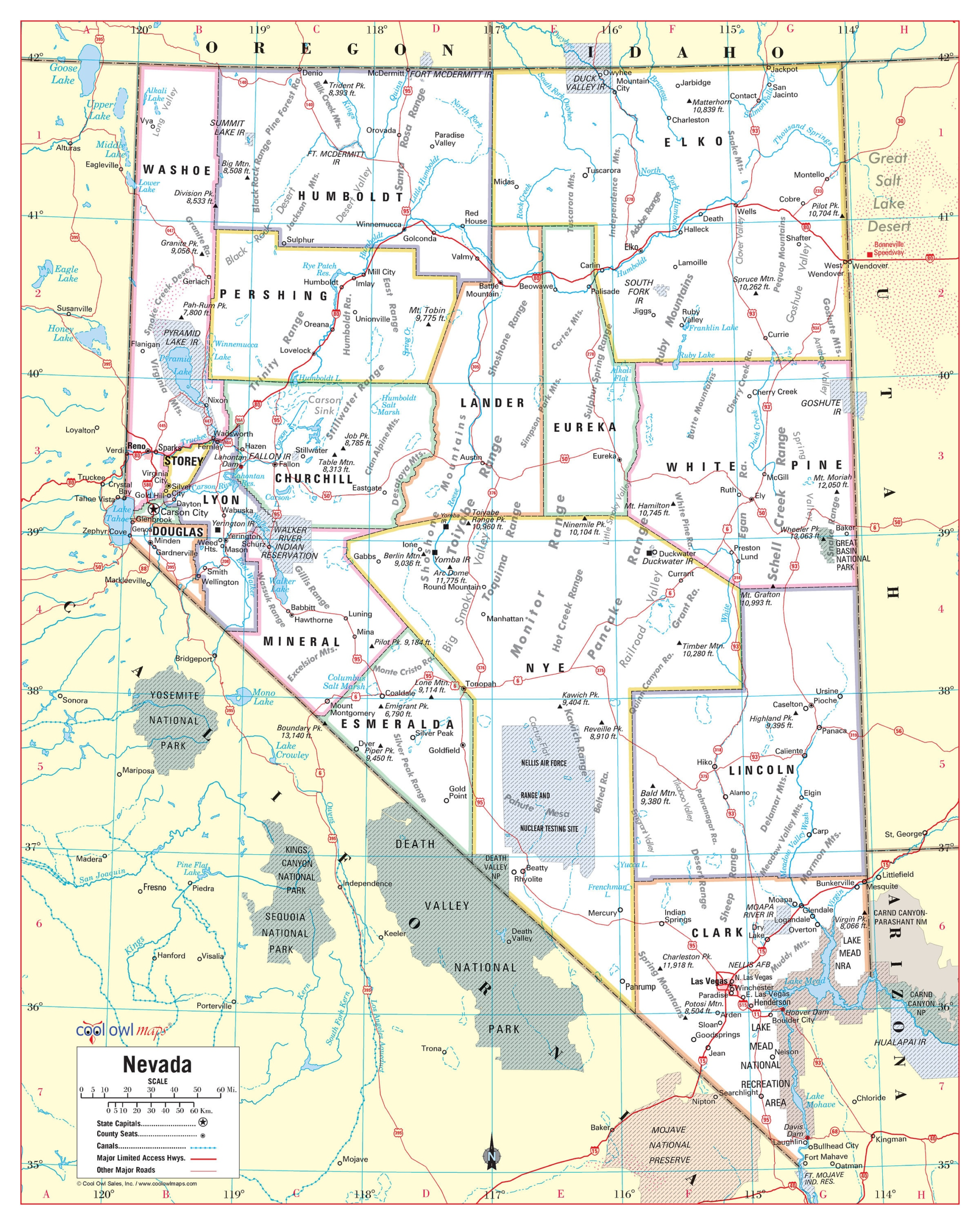
Nevada’s trucking corridors, including Interstate 15, Interstate 80, and US Route 95, carry heavy volumes of freight moving between California, Arizona, Utah, and beyond. That traffic density, combined with extreme summer heat, mountain grades near Reno and Tahoe, and unpredictable winter conditions in the northern part of the state, all factor into how insurers price a policy for local carriers. New companies who understand these regional risk factors are better positioned to buy the right coverage the first time instead of scrambling to fix gaps after an accident or a failed DOT audit. Getting educated early is one of the smartest moves a startup carrier can make, and it costs nothing but a little time.
Understanding Nevada’s Trucking Regulatory Landscape
Before diving into policy types, it helps to understand who regulates trucking in Nevada and why that matters for your coverage. Interstate carriers operating in and through the state fall under the Federal Motor Carrier Safety Administration, which sets minimum liability limits based on cargo type. General freight carriers typically need at least $750,000 in primary liability coverage, while carriers hauling hazardous materials or other higher-risk commodities may need $1,000,000 or more. Any policy you buy must meet or exceed these federal minimums before your authority can go active, which is a core requirement of Nevada commercial trucking insurance for interstate operators.
If you plan to operate strictly within Nevada’s borders as an intrastate carrier, you’ll also work with the Nevada Department of Motor Vehicles’ Motor Carrier Division and, in some cases, the Nevada Transportation Authority, depending on what you haul and where. Intrastate movers, household goods carriers, and certain specialized freight operations often have their own state-specific filing and bonding requirements layered on top of standard federal minimums. New business owners frequently overlook this distinction, assuming interstate rules automatically apply, when in reality state-regulated operations can carry different limits and filing forms such as the BMC-91 or state equivalents.
Because the rules differ depending on whether you run interstate, intrastate, for-hire, or private carriage, it’s worth working with an agency that understands both the federal and state sides of the equation. A knowledgeable agent will make sure your policy lines up with your actual authority type, so you’re not overpaying for coverage you don’t need or, worse, underinsured for the operation you’re actually running.
The Core Coverage Types Every New Carrier Needs
New trucking companies searching for coverage are often surprised by how many moving pieces make up a complete policy. Here’s a breakdown of the coverages that typically form the foundation of a strong Nevada commercial trucking insurance package for a startup carrier.
Primary Auto Liability is the backbone of any trucking policy. It covers bodily injury and property damage you cause to others in an at-fault accident and is mandatory to activate your DOT authority. Without it, you cannot legally operate, and no dispatcher or broker will tender you a load.
Motor Truck Cargo Insurance protects the freight you’re hauling against damage, theft, or loss while in transit. Shippers and brokers almost always require proof of cargo coverage before releasing freight to a new carrier, making this a near-universal piece of the puzzle for anyone hauling for others.
Physical Damage Coverage, which includes both comprehensive and collision protection, covers your truck and trailer themselves. If you financed your equipment, your lender will likely require this piece as part of your overall Nevada commercial trucking insurance program until the loan is paid off.
General Liability Insurance covers non-auto related risks, such as a visitor getting hurt at your terminal or an incident during loading and unloading. Many shippers and warehouses won’t let your drivers on their property without proof of general liability alongside your primary auto policy.
Non-Trucking Liability (Bobtail Insurance) protects owner-operators who are leased to a motor carrier when driving the truck for personal reasons or between dispatches, outside the scope of the carrier’s policy. If you lease onto a carrier in Nevada, this is a coverage your agent should walk you through carefully.
Trailer Interchange Coverage applies if you regularly pull trailers owned by someone else under a trailer interchange agreement, which is common for intermodal and drayage operators moving containers out of rail yards.
Workers’ Compensation becomes necessary the moment you hire your first employee driver. State law requires it, and it’s often bundled into a broader Nevada commercial trucking insurance program as fleets grow.
Occupational Accident Insurance is an alternative some owner-operators use instead of workers’ compensation when they are independent contractors rather than employees, offering accident-related medical and disability benefits.
Each of these pieces can be combined into a single policy or purchased through multiple carriers, depending on your risk profile, your budget, and what your leasing agreements or customer contracts require. A good agent will help you decide which combination actually fits a brand-new operation versus which coverages can wait until you scale.
What Drives the Cost of Nevada Commercial Trucking Insurance
New trucking company owners always want to know what their premium is going to look like, and the honest answer is: it depends on a long list of variables. Understanding these factors helps you budget realistically and avoid sticker shock when your first quotes come in.
Radius of Operation. A local hauler running short routes around Las Vegas or Henderson generally pays less than a long-haul carrier crossing multiple states every week, simply because more miles on the road statistically means more exposure to accidents.
Type of Freight. Hauling general dry van freight is priced differently than hauling flatbed steel, fuel, or hazardous materials. Higher-risk cargo increases the cost of a policy because a loss involving that freight tends to be more expensive to resolve.
Driving Experience. New authority carriers with drivers who have limited experience, or business owners who are new to the industry themselves, typically see higher premiums. Insurers view experience as one of the strongest predictors of claims history, so seasoned CDL holders can meaningfully lower the cost of Nevada commercial trucking insurance at renewal time.
Equipment Age and Value. Newer trucks and trailers cost more to insure for physical damage because they’re worth more to replace, while older equipment may be cheaper to insure but harder to finance without adequate coverage.
Nevada’s Climate and Terrain. Summer heat across the Las Vegas valley can strain engines and tires, while mountain passes near Reno, Carson City, and the Sierra Nevada bring snow, ice, and steep grades in winter months. These regional risk factors are baked into how carriers price coverage for companies based in different parts of the state.
Claims History and MVR Records. Even brand-new authorities are underwritten based on the driving records of the individuals behind the wheel. Clean motor vehicle records translate into more competitive quotes.
Fleet Size. A single-truck owner-operator and a ten-truck fleet will see very different premium structures, since insurers spread risk differently across a larger, more diversified fleet.
Because so many variables affect pricing, the best way to get an accurate number is to request a real quote rather than relying on rough estimates you find online. An experienced agency can shop your risk across multiple carriers to find the right fit for your specific operation and budget.
Common Mistakes New Trucking Companies Make
New carriers shopping for coverage often fall into a handful of avoidable traps. Recognizing them ahead of time can save you real money and prevent gaps in protection.
Choosing coverage based on price alone. The cheapest quote isn’t always the best value. Low premiums sometimes come with high deductibles, restrictive exclusions, or a carrier with a poor track record of paying claims quickly. Compare the full picture, not just the monthly payment.
Letting authority lapse due to a coverage gap. If your policy lapses even briefly, the FMCSA can revoke your operating authority, forcing you to reapply and start the clock over. Set reminders well ahead of renewal dates and stay in close contact with your agent about your Nevada commercial trucking insurance status.
Underestimating cargo value. Declaring a lower cargo limit to save on premium can leave you personally on the hook if a claim exceeds your policy limits. Make sure your cargo coverage actually matches the freight you intend to haul.
Not disclosing your full operation. Failing to tell your agent about planned expansion, additional trucks, or a change in freight type can create coverage gaps. Your policy should evolve as your business does.
Skipping non-trucking liability. Owner-operators who assume the carrier they’re leased to covers every mile are often wrong. Personal-use miles typically fall outside the motor carrier’s policy, which is exactly why standalone non-trucking liability exists within a well-rounded program.
Waiting too long to start the process. Binding a new policy, getting your certificate of insurance filed with the FMCSA, and activating your authority can take longer than expected. Start shopping for Nevada commercial trucking insurance weeks before you plan to haul your first load, not the day before.
How to Get Nevada Commercial Trucking Insurance: A Step-By-Step Overview
For a first-time buyer, the process of securing the right policy can feel overwhelming. Breaking it into clear steps makes it far more manageable.
- Determine your authority type. Decide whether you’re operating as a for-hire interstate carrier, an intrastate carrier, or a private carrier hauling your own goods. This decision shapes which coverage requirements apply to you.
- Gather your operational details. Have your USDOT number (or application), vehicle information, driver records, radius of operation, and commodity type ready. Agents use these details to shop accurate quotes on your behalf.
- Request quotes from multiple carriers. Because underwriting appetite varies widely, working with an independent agency that has access to several insurance companies typically produces better pricing than going direct to a single carrier.
- Compare coverage, not just price. Review liability limits, cargo limits, deductibles, and any exclusions line by line so you understand exactly what your policy protects and what it doesn’t.
- Bind coverage and get your certificate of insurance. Once you select a policy, your agent will issue a certificate of insurance you can send to brokers, shippers, or the FMCSA as proof of coverage.
- File with the FMCSA if required. For most for-hire interstate carriers, your insurance company or agent electronically files proof of Nevada commercial trucking insurance with the FMCSA to activate your operating authority.
- Keep your policy updated. As you add trucks, hire drivers, or change commodities, update your coverage so it always reflects your real operation.
Choosing the Right Agency
Not every insurance agency understands trucking, and not every trucking-focused agency understands Nevada. When you’re vetting who will handle your policy, look for a few key qualities.
An agency should have direct relationships with multiple carriers that actively write trucking risk in the state, since access to more markets generally means more competitive pricing and a better fit for your specific type of freight. They should also understand DOT and Nevada Transportation Authority filing requirements so your paperwork, including BOC-3 process agent filings and MCS-90 endorsements when applicable, is handled correctly the first time.
Responsiveness matters too. Trucking doesn’t stop at 5 p.m., and neither should your agency’s support. Fast certificate of insurance turnaround, 24/7 availability, and clear communication are what separate a good partner from one that leaves you waiting when a broker needs proof of coverage immediately.
Las Vegas Commercial Truck Insurance, based right here in Las Vegas at 6900 Westcliff Dr, Suite 950, works with owner-operators and fleets across the state to shop Nevada commercial trucking insurance across multiple major carriers. From box trucks and dump trucks to flatbeds, tow trucks, tractor-trailers, fuel haulers, and cargo vans, the agency specializes in matching new and growing companies with the right coverage for their operation, along with instant certificate of insurance access and support with DOT and federal filings like BOC-3 and MCS-90.
Nevada Commercial Trucking Insurance for Different Truck Types
Not all trucking operations look alike, and Nevada commercial trucking insurance should be tailored to the specific equipment you run. A box truck operator moving furniture between Las Vegas and Reno has a very different risk profile than a fuel hauler running tankers along Interstate 80, so a one-size-fits-all policy rarely makes sense for a new company.
For box truck insurance, a well-built Nevada commercial trucking insurance package typically pairs primary liability with cargo and physical damage coverage, since these 16’–26′ straight trucks are constantly loading, unloading, and navigating tight urban streets. Dump truck insurance under a Nevada commercial trucking insurance program often adds general liability and, when required, workers’ compensation, because dump trucks face frequent jobsite exposure and rollover risk. Flatbed trucking insurance built into a Nevada commercial trucking insurance plan usually includes load securement protection, since open-deck freight like steel and lumber is exposed to the elements.
Fuel haulers need a higher-limit Nevada commercial trucking insurance policy with pollution and environmental liability due to the hazardous nature of petroleum products, while tow truck operators require on-hook towing and garagekeepers coverage layered into their Nevada commercial trucking insurance. Tractor-trailer owners running long-haul freight across state lines typically carry the most comprehensive Nevada commercial trucking insurance package, often including non-trucking liability and trailer interchange coverage for leased operations. Cargo van operators doing local delivery work can usually start with a leaner Nevada commercial trucking insurance policy and add coverage as their business grows.
Matching your policy to your equipment type from day one is one of the simplest ways a new company can control costs while staying fully protected.
Frequently Asked Questions
How much does Nevada commercial trucking insurance cost for a new authority? Pricing varies widely based on radius, freight type, driving experience, and equipment, but new authorities typically pay more initially than established carriers with a proven claims history. Rates generally improve after your first year or two of clean operation.
Do I need coverage before I get my USDOT number? You can apply for a USDOT number without insurance in place, but your operating authority won’t become active until proof of coverage is filed, so most new carriers line up their Nevada commercial trucking insurance while their application is in process.
Is coverage different for intrastate versus interstate carriers? Yes. Intrastate carriers working only within Nevada may have different minimum limits and filing requirements through the DMV Motor Carrier Division compared to interstate carriers regulated by the FMCSA, so your policy should be structured around your actual authority.
Can I get insurance with a brand-new CDL? Yes, though premiums are typically higher for newer drivers. As experience builds and your driving record stays clean, the cost of your Nevada commercial trucking insurance generally comes down at renewal.
What documents do I need to buy a policy? Most agencies will ask for your USDOT and MC numbers, vehicle VINs and values, driver license and MVR information, intended radius of operation, and the type of commodities you plan to haul in order to quote accurate coverage.
Final Thoughts for New Nevada Trucking Companies
Launching a trucking company in Nevada is a big step, and getting your Nevada commercial trucking insurance right from the start sets the tone for everything that follows. The right policy protects your equipment, your cargo, your drivers, and your ability to keep operating legally on Nevada’s highways, from the Las Vegas Strip corridor all the way up Interstate 80 through Reno and beyond. New carriers who take the time to understand their coverage options, compare quotes carefully, and work with an agency that genuinely understands both trucking and the state’s regulatory landscape put themselves in the strongest position to grow.
If you’re just getting started and need help finding the right Nevada commercial trucking insurance for your new authority, working with a local specialist who can shop multiple carriers, explain your options in plain language, and get your certificate of insurance turned around fast will make the entire process far less stressful. Reach out today to get a personalized Nevada commercial trucking insurance quote and get back to what matters most: getting your trucks on the road.
